

Reflections on Gandhi & King: A Journey Through Soul Force and Social Change
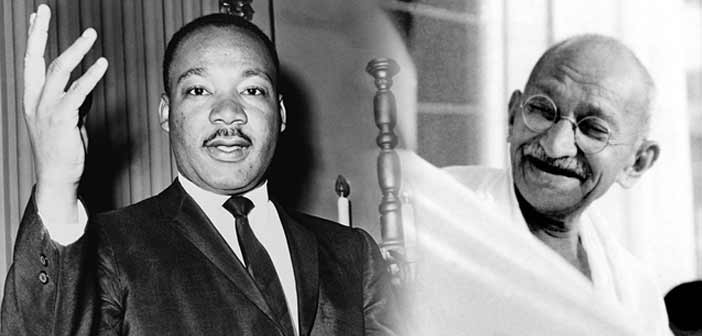
Introduction: Learning from Gandhi and Martin Luther King Jr.
In January 2025, I enrolled in a transformative course titled “The EndGandhi & King: Soul Force & Social Change.” This journey helped me explore the life-changing philosophies of Mahatma Gandhi and Martin Luther King Jr.—two global icons of nonviolence, justice, and active peacebuilding. Through daily reflections, I gained a deeper understanding of how soul force, inner transformation, and social change are all interconnected.
Day-by-Day Reflections: Nonviolence, Peace & Justice
Day 1 – January 30, 2025: Course Introduction
The course began on the anniversary of Gandhi’s assassination. I felt inspired and motivated to explore Gandhi and King’s teachings alongside international participants. Although I joined late due to internet issues in Bangladesh, I learned the importance of concise introductions and began improving my English communication skills.
Day 2 – January 31, 2025: Course Structure
We reviewed the full course schedule—30 sessions from January 30 to April 4 (the date of MLK’s assassination). Each class is 80 minutes long and includes reflections, encouraging us to think critically about peace and justice. This structure helps build discipline and personal growth.
Day 3 – February 1, 2025: Understanding Peace and Nonviolence
Key concepts were introduced:
- Peace = Beyond the absence of war; includes love, empathy, and active service.
- Nonviolence (Ahimsa) = Choosing not to harm in action, word, or thought.
- Peace Studies = An academic field promoting conflict resolution, justice, and human rights.
This day clarified the foundation of nonviolent activism and peace education.
Day 4 – February 6, 2025: 24 Paths to Peace & Gandhi’s Early Life
We explored the “24 Paths to Peace,” focusing on active nonviolence. Gandhi’s early experiences in Gujarat, England, and South Africa laid the groundwork for his global movement. We also learned six categories of peace work: military, economic, diplomacy, nonviolence, arts, and passivity.
Day 5 – February 7, 2025: Nonviolence in Action
Gandhi’s activism was shaped by:
- Jain principles of Ahimsa
- Western thinkers like Leo Tolstoy and Henry David Thoreau
- His legal and social activism in South Africa
We studied how these influences shaped Gandhi’s model of peaceful resistance that later inspired MLK’s civil rights strategy.
Day 6 – February 8, 2025: Gandhi’s Ethical Foundations
Core concepts discussed:
- Rta – Universal order and natural law
- Golden Rule – Treat others how you want to be treated
- Karma – Actions and consequences
These principles shaped Gandhi’s spiritual activism and focus on inner peace as a tool for social change.
Day 7 – February 13, 2025: Satya, Ahimsa & Tapas
- Satya (Truth) – Universal but subjective, requiring openness to others’ perspectives.
- Ahimsa (Nonviolence) – Rooted in respect for all life.
- Tapas (Self-sacrifice) – Voluntary suffering for a greater good.
Gandhi viewed these principles as necessary for genuine transformation—both personal and societal.
Day 8 – February 14, 2025: Moksha, Swadeshi, Swaraj
Gandhi’s three main goals:
- Moksha – Spiritual freedom through truth and discipline
- Swadeshi – Self-reliance in economy and lifestyle
- Swaraj – True self-rule; political and personal independence
Together, they represent a holistic vision of freedom and justice.
Day 9 – February 15, 2025: Brahmacharya, Sarvodaya & Satyagraha
Gandhi’s strategies for nonviolent change included:
- Brahmacharya – Self-control for clarity and moral strength
- Sarvodaya – Upliftment of all; social equity
- Satyagraha – “Truth-force” or nonviolent resistance
These strategies aimed to build a just, inclusive, and peaceful society based on compassion and truth.
The Power of Soul Force
Soul Force (Satyagraha) is Gandhi’s belief that nonviolent truth and love are more powerful than violence. Martin Luther King Jr. adopted this principle in the American civil rights movement, proving that peaceful resistance can overcome hatred and injustice. Soul Force is a moral weapon rooted in truth, courage, and justice.
Gandhi’s Legacy at a Glance
- Born: October 2, 1869 – Porbandar, India
- Major Movements: Non-Cooperation, Salt March, Quit India
- Beliefs: Nonviolence, simplicity, religious tolerance
- Died: January 30, 1948 – Assassinated while promoting Hindu-Muslim unity
His legacy continues to inspire human rights, anti-war, and environmental movements around the world.
Conclusion: A Journey of Transformation
This course has taught me that social change starts within. Gandhi and King lived by values of truth, love, courage, and discipline—and showed the world how to build peace through moral leadership. These reflections are just the beginning of my journey to becoming a more conscious and compassionate changemaker.
March 23, 2026 @ 9:41 pm
Very good i like it